

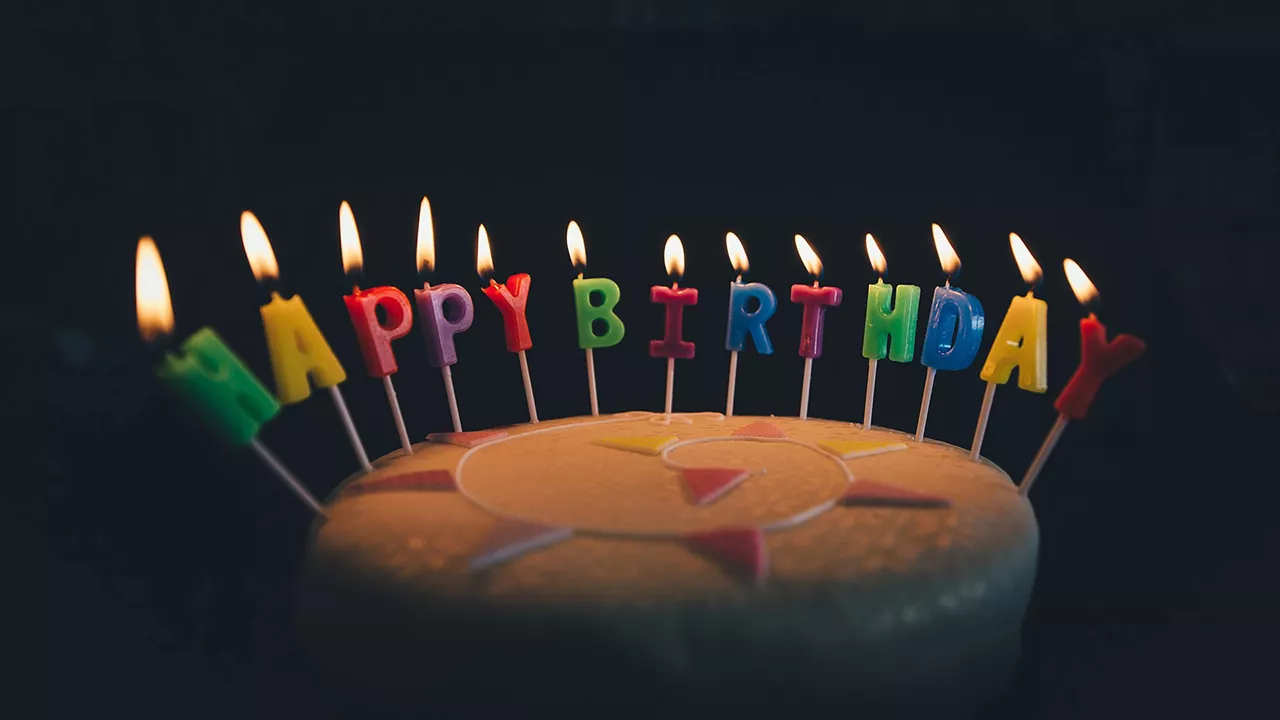
Have you ever noticed that the first thing you do on your birthday morning might be to check your email? Chances are, among the usual messages from work or newsletters, there’s a special email from a brand like Amazon, eBay, or your favorite local store, wishing you a happy birthday, and sometimes offering an exclusive discount to celebrate your special day.
But have you ever wondered why brands go out of their way to send birthday emails? Why would a company offer a discount or a gift instead of simply trying to make a sale?
Birthday emails are one of the most effective tools in email marketing, combining personalization, customer engagement, and revenue generation. In this article, we’ll explore why birthday emails work, what makes them successful, how to write the perfect subject line, and why they are crucial for your overall marketing strategy.
The Psychology Behind Birthday Emails
Birthday emails work because they tap into human emotions. People enjoy feeling valued, appreciated, and remembered. Receiving a birthday greeting from a brand makes a customer feel recognized, which strengthens the relationship between the customer and the company.
While building loyalty is important, there’s a more practical reason for birthday emails: they drive measurable results. When done correctly, these emails deliver impressive return on investment, outperforming many other types of marketing emails.
For example, Experian research shows that birthday emails can outperform standard transactional emails in multiple ways:
- Open rates are up to 53% higher than typical transactional emails
- Click-through rates can be as much as 179% higher
- Revenue generated can exceed transactional emails by over 300%
These numbers prove that birthday emails are not just a nice gesture—they are a high-performing marketing tool.
Why Brands Send Birthday Emails
If sending a simple “Happy Birthday” isn’t enough motivation for brands, here are five additional reasons why birthday emails are essential:
- Build Brand Loyalty
Sending a well-designed and eye-catching birthday email strengthens your connection with your audience, showing them that they are valued and appreciated, which fosters long-term loyalty. - Personalization Opportunities
Birthday emails provide a perfect opportunity to deliver personalized content. Whether it’s recommending a favorite product or offering a birthday discount, personalization makes the customer feel special. - Enhance Brand Reputation
A thoughtful birthday message reinforces a brand’s reputation as caring and customer-focused. Customers are more likely to engage with and recommend brands that make them feel recognized. - Boost Engagement Rates
Birthday emails enjoy outstanding open rates. People are naturally curious to see what a company has in store for their special day, which drives higher engagement. - Increase Sales and Revenue
Offering a birthday discount or voucher is an effective way to boost sales. Customers are more likely to make a purchase when they feel they are getting something extra or exclusive on their birthday.
Triggers That Drive Customers to Open Birthday Emails
Even the most thoughtful birthday email won’t work if it isn’t opened. Email marketers use various triggers to capture attention and encourage engagement:
- Emotional Triggers
Humor, nostalgia, and sentimentality are powerful tools. For instance, digital photo companies use subject lines like “Remember when?” because people love looking back on old memories. Emotional connections can prompt immediate clicks. - Urgency and Scarcity
Creating a sense of urgency encourages action. Including phrases like “Offer valid for 48 hours only” or “Your birthday gift expires soon” motivates recipients to act quickly, increasing conversions. - Exclusive Offers
Making the recipient feel special with exclusive deals, discounts, or gifts makes them more likely to open and engage with the email. - Personalization
Including the recipient’s name or referencing previous purchases can significantly increase open rates, making the message feel tailored and meaningful.
How to Write the Perfect Birthday Email Subject Line
The subject line of a birthday email is arguably the most important element. It sets the tone, grabs attention, and determines whether the recipient opens the email. Here are some tips for creating compelling subject lines:
- Keep it simple and celebratory: “Happy Birthday!” or “Celebrate Your Day with Us”
- Add a touch of personality: “You’re Awesome, [Name]” or “Your Special Day Deserves a Gift”
- Use humor carefully: A witty or playful subject line can make the email more memorable
- Highlight urgency: “Your Birthday Offer Expires Soon!”
- Show value: “Here’s Your Birthday Gift Inside”
A strong subject line makes the recipient feel special and sets the stage for a personalized and engaging email experience.
Crafting Engaging Birthday Email Content
Once the email is opened, the content must deliver on the promise of the subject line. Here’s how to make birthday email content engaging and effective:
- Personalization is Key
Include the recipient’s name, a personalized message, or references to their preferences and past purchases. The more tailored the email feels, the more likely the recipient will engage. - Clear and Compelling CTA
The email should have a clear call-to-action, whether it’s redeeming a discount, visiting a product page, or claiming a free gift. Make the CTA visually prominent and easy to click. - Eye-Catching Design
Use colors, images, and layout that reflect your brand and create a festive, celebratory vibe. An appealing design increases the likelihood of engagement. - Offer Value
Whether it’s a discount, gift, or exclusive offer, the email should provide a tangible benefit that makes the recipient feel appreciated. - Mobile Optimization
Many users open emails on mobile devices. Ensuring the email looks great and functions well on smartphones and tablets is critical for success.
Best Practices for Birthday Email Campaigns
To maximize the effectiveness of your birthday emails, follow these best practices:
- Segment Your Audience
Target emails based on customer data, such as age, location, and purchase history, to make your offers more relevant. - Automate Timing
Send birthday emails automatically on the recipient’s birthday or a few days before, ensuring timely delivery. - Test Subject Lines and Content
Use A/B testing to determine which subject lines, designs, and offers generate the highest engagement. - Track Performance Metrics
Monitor open rates, click-through rates, and conversions to evaluate ROI and optimize future campaigns. - Keep it Short and Sweet
Birthday emails should be concise, with a focus on personalization and clear messaging. Avoid overwhelming the recipient with too much content.
Examples of Effective Birthday Emails
Many brands have mastered the art of birthday email marketing. Companies like Amazon, eBay, Eurostar, Dulux, and even football clubs like Manchester City use birthday emails to drive engagement and sales.
Effective birthday emails often include:
- A personalized greeting
- A special offer or discount
- Festive imagery or design
- A clear and prominent call-to-action
- Social sharing buttons or links to the website
These elements work together to create a positive experience that encourages customers to engage with the brand.
Conclusion
Birthday emails are a powerful tool for brands looking to increase engagement, drive sales, and build customer loyalty. They combine personalization, emotional connection, and tangible rewards, creating a marketing opportunity that benefits both the customer and the brand.
To succeed with birthday emails, companies must go beyond simple greetings. They need to create personalized, engaging content, design visually appealing emails, and use compelling subject lines that capture attention. When done well, birthday emails can deliver extraordinary results, outperforming traditional marketing campaigns in terms of open rates, click-through rates, and revenue.
In today’s competitive market, sending thoughtful, personalized birthday emails is more than a nice gesture—it’s a smart marketing strategy that strengthens relationships, enhances brand reputation, and drives measurable business outcomes.
comments